Mold Around Windows? Find the Moisture Source and Clean It Safely
Quick answer
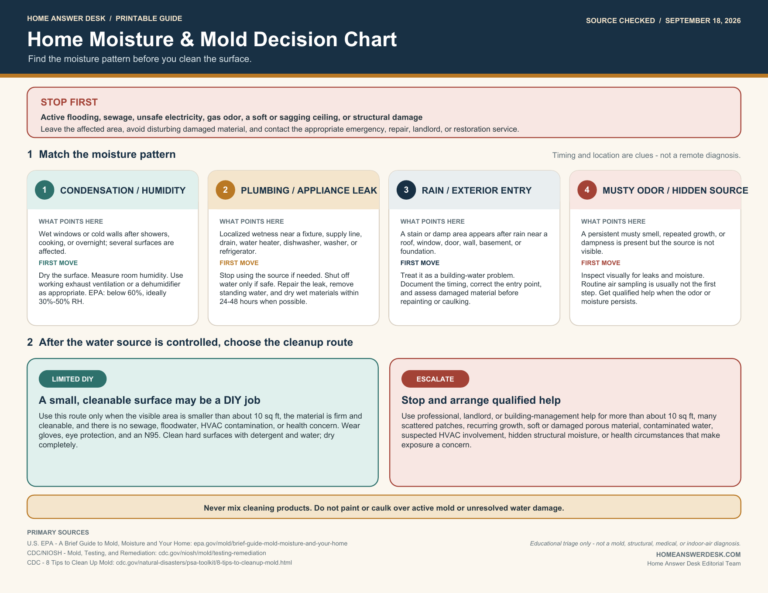
Mold around a window usually means moisture is returning to the same place. If water forms on the room-side glass on cold mornings, indoor humidity and condensation are likely. Dampness that appears after rain, soft trim, peeling paint, or a musty wall needs a closer look for water entry. For a small area on a hard, non-porous surface, clean with detergent and water, dry it completely, and fix the moisture source. Do not simply paint or caulk over it.
Stop and get help
- Call a qualified moisture, window, or mold-remediation professional when the visible area is larger than about 10 square feet, keeps returning after a repair, follows sewage or contaminated water, involves HVAC equipment, or sits in soft or damaged wall material.
- Do not open a wall, scrape crumbling drywall, or disturb a large hidden area just to see how far it goes.
- If someone in the home has a health concern related to mold exposure, ask their clinician for individual advice rather than using the color or amount of mold to diagnose a health problem.
Start with where and when the moisture appears
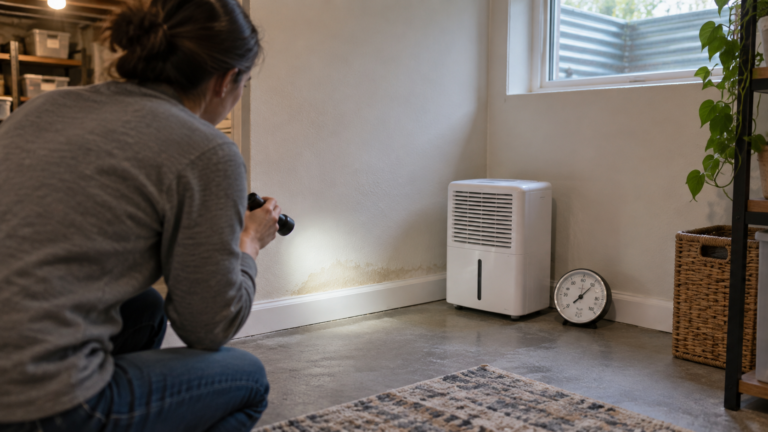
The word “mold” is the visible result, not the diagnosis. A window can collect moisture from humid indoor air, a failed insulated-glass seal, a clogged or damp sill area, or water getting in around the exterior. The fastest useful clue is the first place that looks wet and the conditions that came before it.
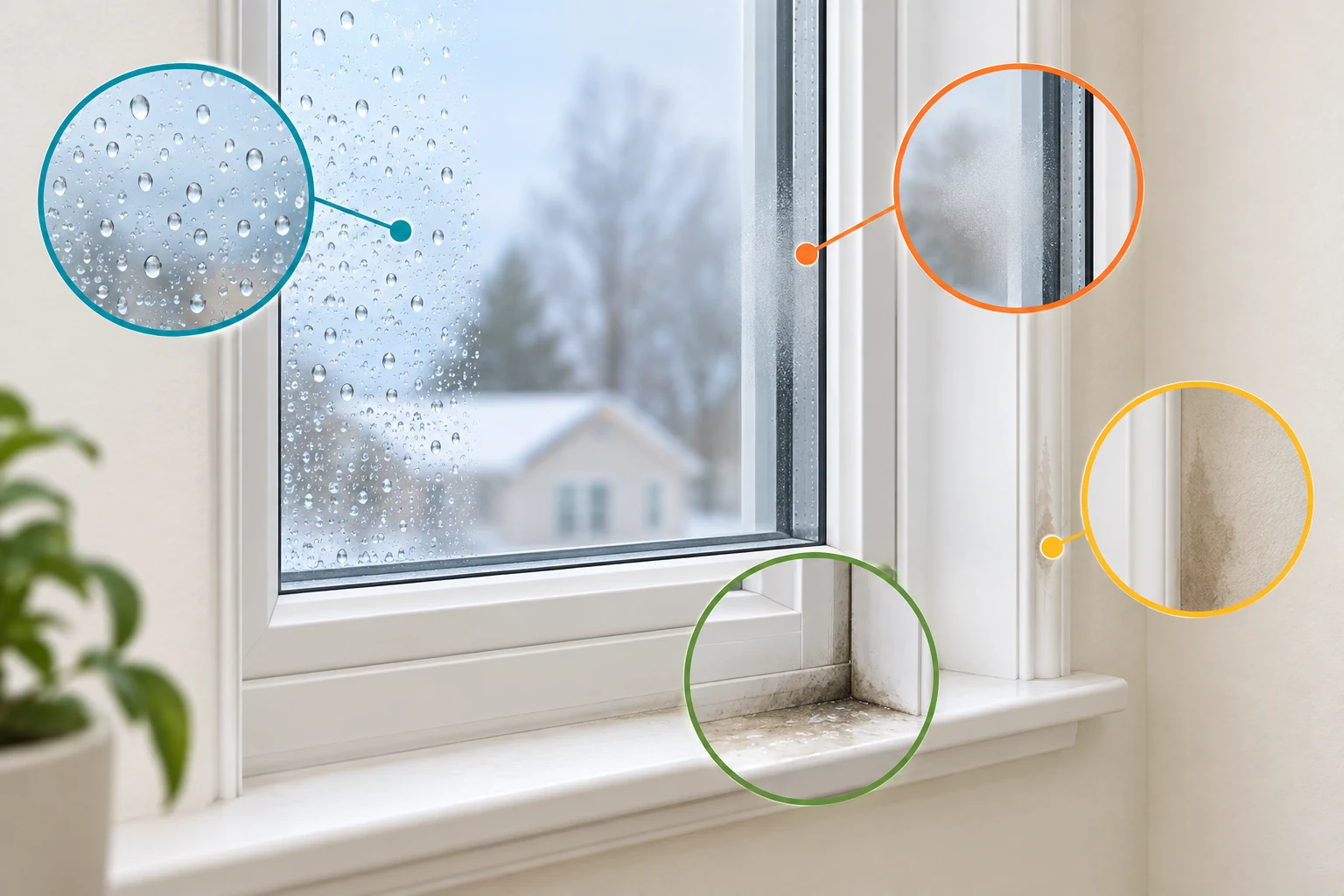
| What you notice | What it often points to | Best first move |
|---|---|---|
| Water beads on the room-side glass, especially on cold mornings | Indoor humidity meeting a cold window surface | Dry the glass, improve airflow, and check the room’s humidity and exhaust use. |
| Fog, droplets, or staining are trapped between two glass panes | A failed insulated-glass seal | Contact a window professional or manufacturer; surface cleaning will not reach moisture between panes. |
| The sill, trim, or wall is damp after rain | Water entry around the window or exterior wall | Document the pattern and arrange an exterior/window inspection before cosmetic repair. |
| The problem is behind a closed curtain or furniture pushed against the wall | Condensation with poor air movement | Leave a gap for air, dry the area, and reduce the room’s moisture source. |
| Wood is soft, drywall is swollen, paint is bubbling, or the smell persists | Longer-term or hidden moisture | Stop surface-only cleanup and have the moisture source assessed. |
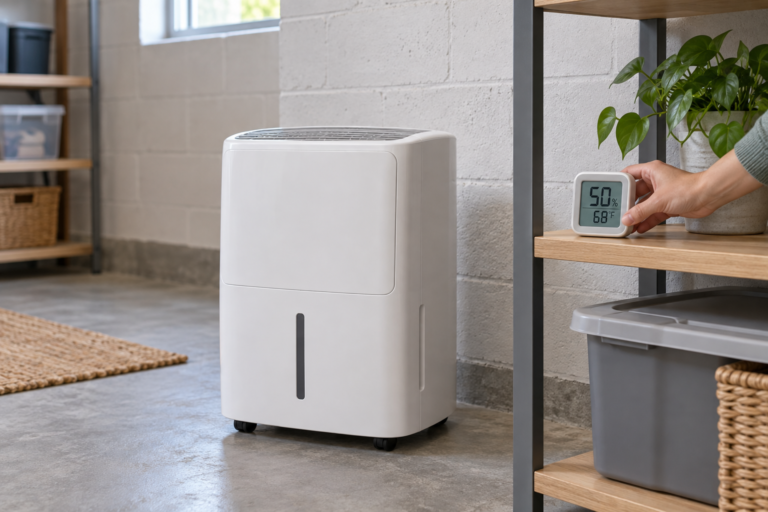
Condensation is common when warm, moist indoor air reaches a cold window surface. The U.S. Environmental Protection Agency (EPA) recommends keeping indoor relative humidity below 60%, ideally between 30% and 50%, while recognizing that the practical target can vary with weather and the home. A small humidity meter can help you see whether a bathroom, kitchen, laundry area, or tightly closed bedroom is regularly staying damp.
When a small DIY cleanup is reasonable
A small, visible patch on a hard window frame, painted trim, tile, or glass can often be handled at home if the material is sound and you can correct the moisture that caused it. EPA guidance says most areas under roughly 10 square feet can be cleaned by the homeowner in many situations.
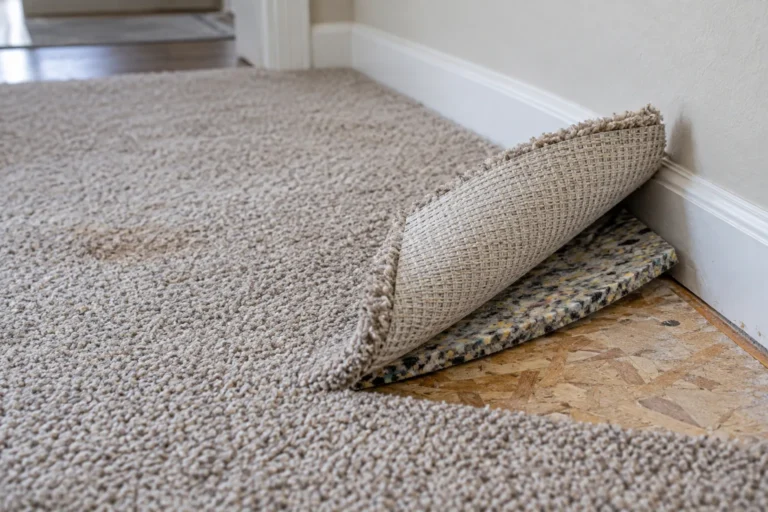
That does not mean every small patch is a simple cleaning job. Pause if the surface is porous or damaged, the area is spreading, the room has a persistent musty odor, or moisture is coming from inside the wall. Drywall, insulation, particleboard, and swollen MDF trim can hold contamination and may need targeted removal or repair rather than repeated wiping.
How to clean a small area around a window safely
- Protect yourself and ventilate the room. Wear gloves and eye protection. For a dusty or larger small cleanup, an N95 respirator is sensible. Open a window only if outdoor air will help the space dry.
- Remove loose dust without spreading it. Avoid dry brushing or sanding the area. A damp disposable cloth is usually enough for a small spot.
- Wash hard surfaces with detergent and water. Use a clean cloth or soft brush, then wipe away the residue. The important part is physical cleaning plus complete drying, not a stronger-smelling product.
- Dry the sill, frame, and nearby wall completely. Towel-dry the surface and improve airflow. A fan or dehumidifier can help lower indoor moisture, but neither repairs a leak or failed window seal.
- Look again after the next trigger. Check after a cold morning, shower, cooking session, or rainstorm—the condition that originally made the area wet. If the dampness returns, treat that pattern as the repair priority.
Do not mix cleaning products. In particular, do not combine bleach with ammonia or other cleaners. EPA does not recommend routine use of biocides such as chlorine bleach during mold cleanup; detergent and water on hard surfaces, followed by thorough drying, is the practical starting point for a small area.
What if the moisture is between the window panes?
If the haze or droplets are enclosed between panes of double- or triple-glazed glass, the problem is usually a failed seal in the insulated glass unit. It is different from room-side condensation: you cannot wipe it away, and cleaning the sill will not stop it.
Take a photo in daylight, note the window brand and approximate age if you know them, and ask a window professional or the manufacturer about repair or glass-unit replacement. Keep an eye on the surrounding frame too. Moisture between panes is not automatically proof of mold in the wall, but any soft trim, peeling finish, or water after rain deserves a separate inspection.
Prevent mold by matching the fix to the cause
For room-side condensation
- Use bathroom and kitchen exhaust fans during and after moisture-producing activities, vented outdoors where the home allows.
- Run a dehumidifier or air conditioner when indoor humidity is persistently high.
- Leave a small gap between curtains, blinds, furniture, and the window so warm room air can circulate.
- Wipe standing water from glass and the sill rather than letting it sit there day after day.
For a damp sill or dirty track
Clear loose debris, dry the channel, and check whether the source is indoor condensation or rain. If you also need to wash a removable screen, use our guide to clean window screens safely; screen cleaning can improve the view and remove grime, but it will not cure a moisture problem at the sill.
For water after rain
Look for a pattern rather than guessing at a single spot. Note which side of the window gets wet, the wind direction, whether the issue follows a heavy storm, and whether nearby trim changes color. A qualified inspector can use that information to check flashing, exterior sealant, siding, roof runoff, and the window installation without opening intact interior finishes unnecessarily.
What not to do
- Do not paint, caulk, or install new trim over an active damp or moldy surface. The material needs to be cleaned, dried, and assessed first.
- Do not judge danger by color. Dark mold is not a reliable way to identify a species or a health risk.
- Do not spend money on routine air testing for a visible, obvious problem. CDC/NIOSH says there are no health-based indoor-air standards for mold and that visual inspection and musty odors are often more useful than short-term air samples for finding dampness.
- Do not keep repeating the same surface cleaning. Recurrence is evidence that moisture control—not another cleaner—is the missing step.
When to call a professional
Bring in qualified help when you see widespread growth, recurring dampness, damaged porous materials, a suspected exterior leak, or a problem connected with flooding, sewage, or HVAC equipment. A window installer, building-envelope contractor, plumber, or remediation professional may be the right person depending on the source. Ask them to identify and correct the moisture path, not just remove visible growth.
For a rental, photograph the condition, record when it appears, and notify the landlord or property manager promptly in writing. That creates a useful maintenance record and helps the repair focus on the leak, ventilation, or window condition.
Frequently asked questions
Is mold around windows always caused by condensation?
No. Condensation is common, particularly on cold glass, but dampness after rain, failed panes, or wet and damaged trim can point to a different source. The timing and location matter more than the color of the spot.
Can I use a dehumidifier to fix mold around a window?
A dehumidifier can help reduce indoor humidity and condensation. It cannot repair an exterior leak, a failed insulated-glass seal, or water trapped in wall materials.
Should I replace the window if there is mold on the sill?
Not automatically. A small surface patch caused by indoor condensation may improve with cleaning, drying, humidity control, and better airflow. Replacement or repair becomes more likely when there is moisture between panes, water intrusion, failed parts, or damage around the opening.
Do I need a mold test?
Usually not for a visible, small problem. CDC/NIOSH advises that routine air sampling is not recommended because there are no health-based indoor standards for mold. Spend the effort on finding and fixing the moisture source instead.