
Appliances
Washing Machine Leaking From the Bottom? Find the Source by Cycle Stage
Water beneath a washer may start at a hose, door, drain, standpipe, or internal component. Use leak timing and location to choose…
Read the guide →Problem-solving library
Start with the closest symptom, then use the guide’s safety checks and stop points.
← Back to all home problemsGuides and checks
43 matching guides
Appliances
Water beneath a washer may start at a hose, door, drain, standpipe, or internal component. Use leak timing and location to choose…
Read the guide →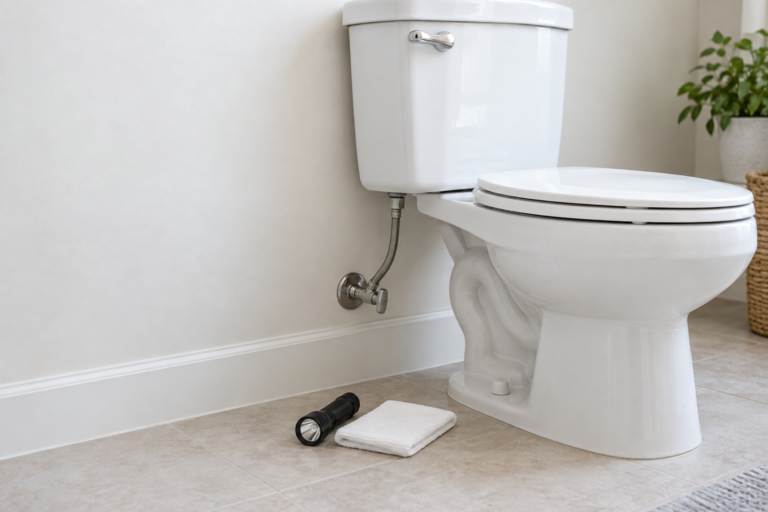
Bathroom
Find whether a toilet tank leak is at the supply fitting, tank bolts, or tank-to-bowl gasket. Use safe, dry checks; stop for…
Read the guide →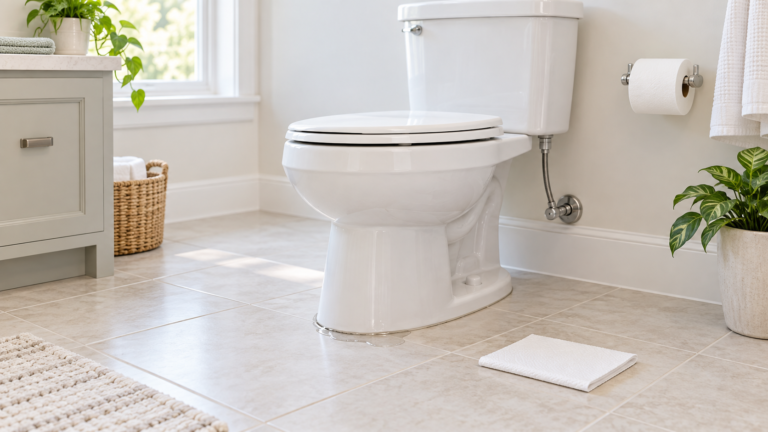
Bathroom
Water at the toilet base may come from above, below, or condensation. Use the leak pattern to know when to stop using…
Read the guide →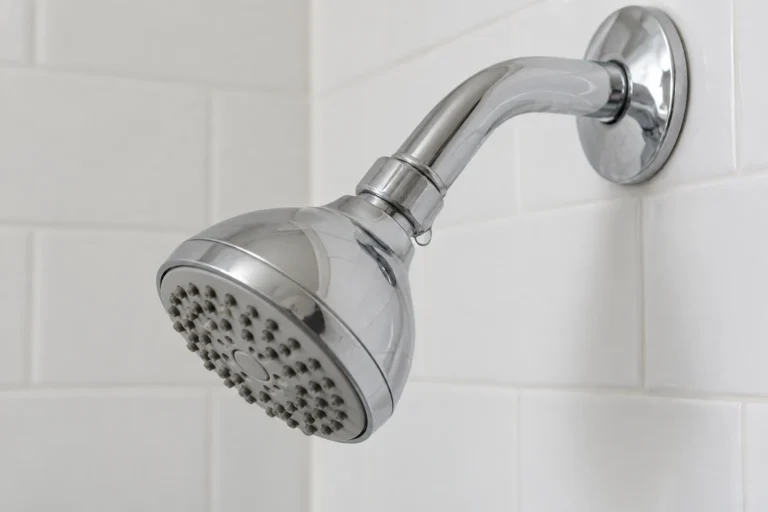
Bathroom
Shower head leaking during use or dripping after shutoff? Locate the leak, try the safest first check, and learn when the shower…
Read the guide →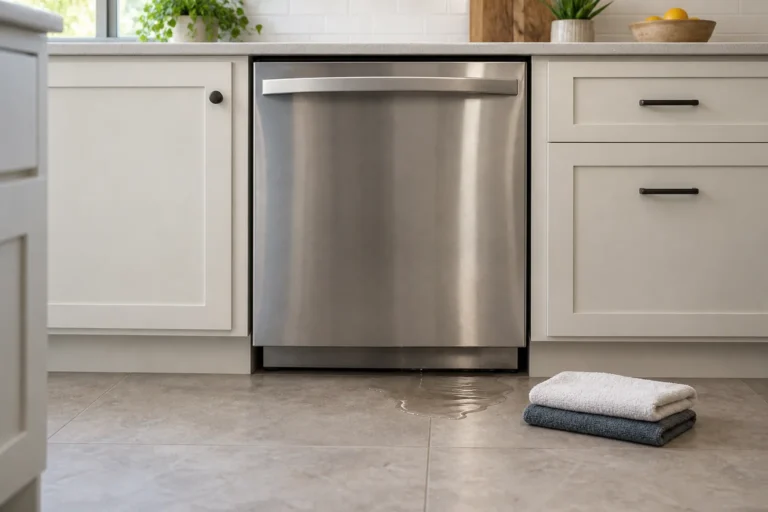
Appliances
Dishwasher leaking from the bottom? Use the leak location and cycle stage to find likely causes, try safe checks, and know when…
Read the guide →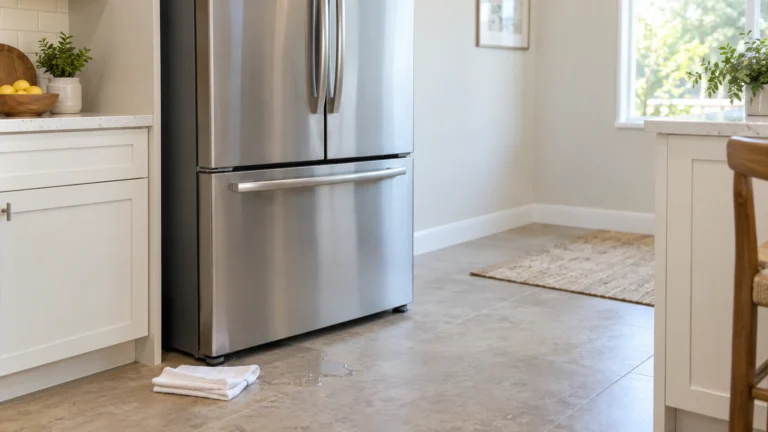
Appliances
Refrigerator leaking water? Use the puddle location and timing to check the defrost drain, supply line, ice maker, filter, dispenser, or drain…
Read the guide →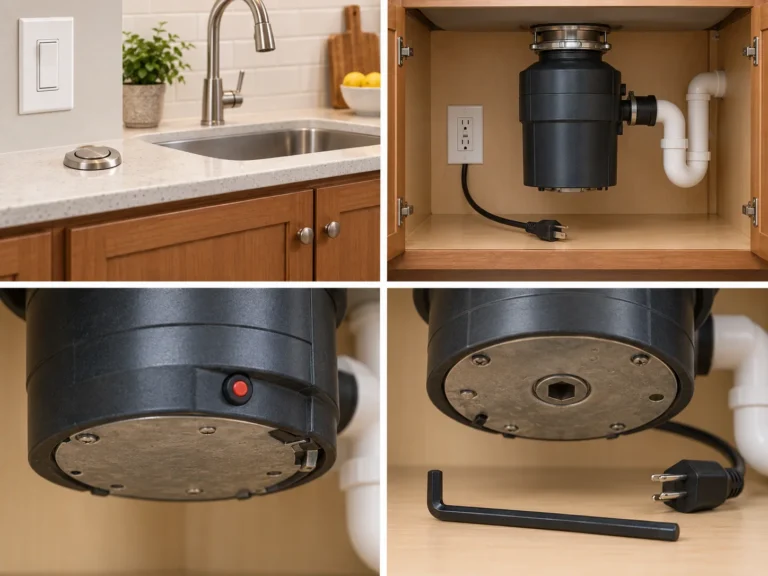
Kitchen
A garbage disposal leaking from the bottom may actually leak from the flange, hose, or drain. Use safe checks to find the…
Read the guide →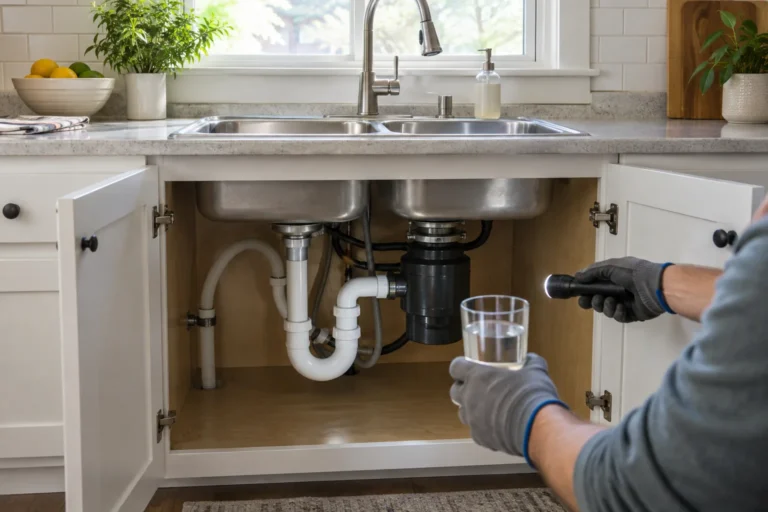
Kitchen
Use a quick glass test and trigger-based checklist to find whether a kitchen-sink odor comes from the drain, disposal, dishwasher, water, or…
Read the guide →
Appliances
Start with the first washer stage that fails—start, fill, wash, drain, spin, or end of cycle—then choose the safest focused troubleshooting path.
Read the guide →
Appliances
A washer that will not fill may be sensing, short of supply water, filling too slowly, or draining as it fills. Match…
Read the guide →