How to Get Rid of Mold Smell: Find the Moisture Source First
Quick answer: A moldy or musty smell usually will not stay gone if you only use a deodorizer. First look for the place that is staying damp or was water-damaged: beneath sinks, around windows, behind furniture, near a bathroom, basement wall, laundry area, or HVAC equipment. Clean a small visible area only after the water source is controlled and the material can be dried.
Stop and get help first: Do not disturb a large moldy area, a sewage-affected area, or material that is visibly water damaged and soft. EPA treats an area larger than about 10 square feet, extensive water damage, sewage contamination, suspected HVAC contamination, or a health concern as a more careful professional route.
A mold smell is a moisture clue, not a cleaning-product problem
Mold can smell musty, but smell alone does not identify the material, the mold type, or a safe repair. CDC and EPA guidance point to the same first principle: remove the mold and fix the moisture problem. A scent spray, candle, or room freshener can make the room easier to be in for a while, but it cannot dry a wall cavity, stop a plumbing leak, or clean a contaminated material.
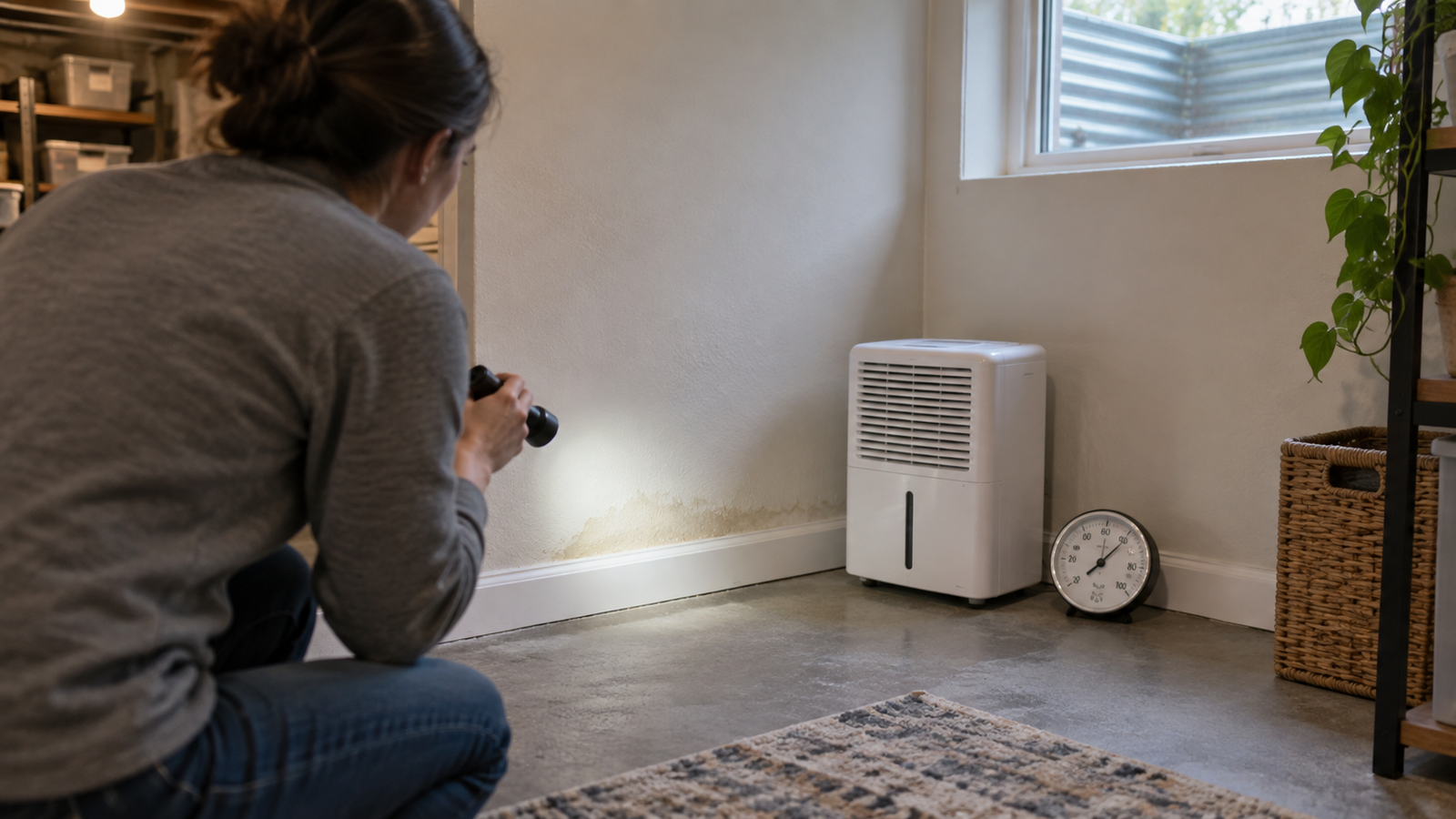
Start with the room where the odor is strongest when you first enter. Keep doors open long enough to compare rooms, then look low, behind, and below before looking for a special cleaner. Water often travels before it becomes visible.
| What you notice | Most useful first check | Next sensible action |
|---|---|---|
| Musty smell after showers or in a closed bathroom | Fan operation, wet textiles, grout, ceiling, and areas around the toilet or vanity | Dry wet items, improve ventilation, and check for a leak or recurring condensation. |
| Odor near a window, exterior wall, or closet wall | Condensation, staining, soft trim, roof or wall leak signs, and furniture pressed against the wall | Dry the area and investigate the water path before repainting or caulking. |
| Basement or lower-level odor | Foundation-wall moisture, floor-edge dampness, stored cardboard or fabric, and humidity | Remove wet items and address water entry. Use humidity control only after the source is understood. |
| Odor below a sink or behind an appliance | Active drips, damp cabinet bottoms, supply connections, drain leaks, and wet insulation | Stop or report the leak promptly, then dry and evaluate affected materials. |
| Odor comes from supply vents or returns with an identified moisture problem | Visible moisture around equipment, pan or drain issues, and whether odor spreads when the system runs | Stop using suspect equipment and arrange an HVAC or remediation assessment. |
Use a dry-paper-towel check to find the first damp point
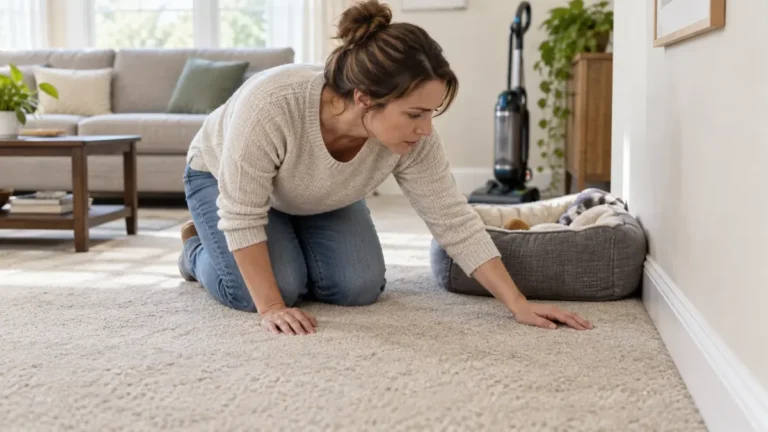
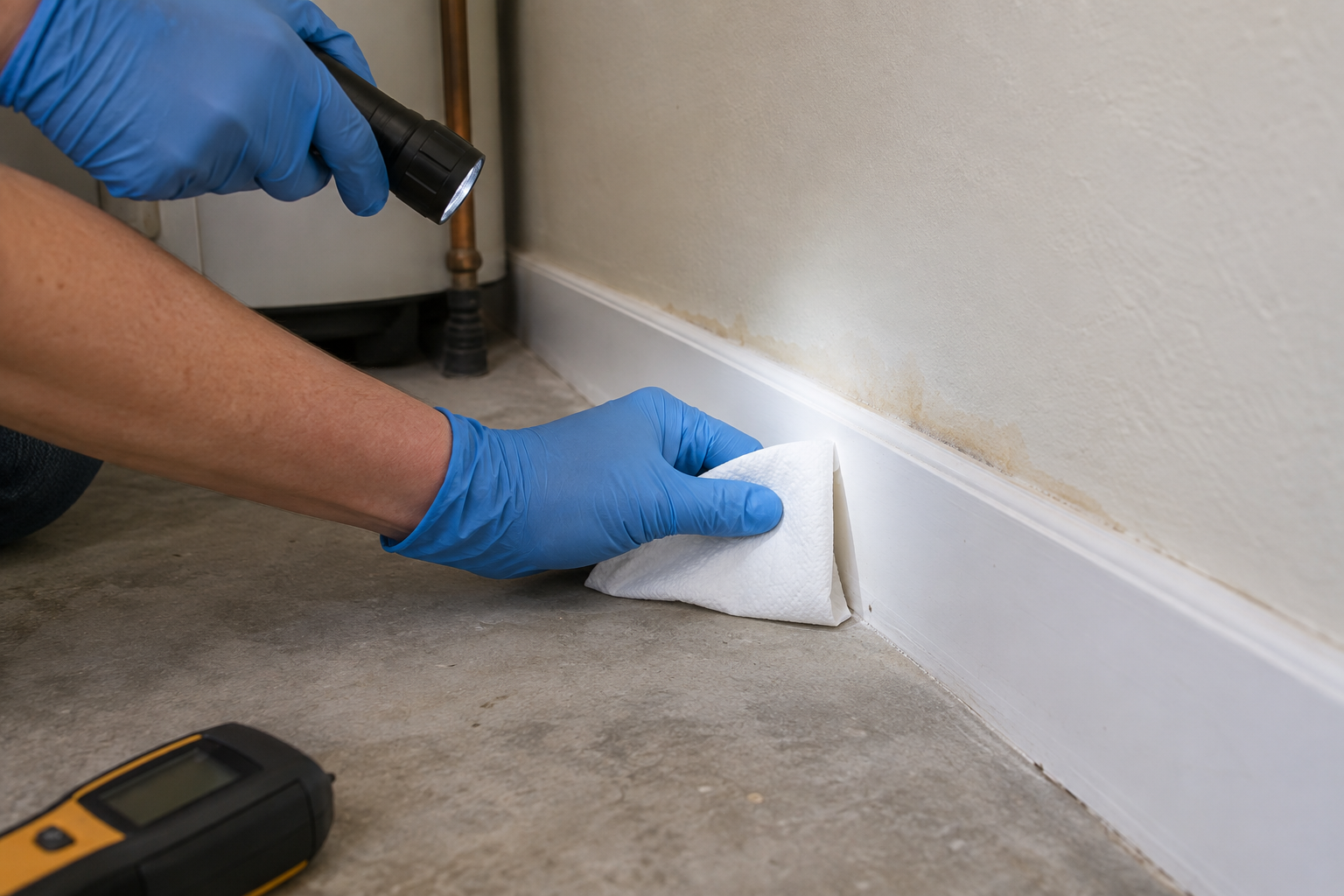
Do not open walls, remove trim, or take apart HVAC equipment to chase an odor. Begin with accessible areas. With clean gloves, press a dry white paper towel along the lower edge of a wall, under sink connections, at window trim, and below visible stains. A flashlight can help you see a fresh drip or a damp edge. The goal is not to prove what type of mold is present; it is to identify whether water is still entering or a surface is staying damp.
If the towel becomes wet, treat that as a water-control issue first. A plumbing leak, repeated condensation, roof leak, or outside-water entry needs to be corrected before cosmetic cleanup. If the towel stays dry but the smell persists, note where it is strongest and look for other evidence: peeling paint, swollen baseboards, warped flooring, recent flooding, damp stored items, or a recurring pattern after rain, showers, or HVAC use.
When a small visible area can be cleaned
For a small visible mold problem on a hard surface, EPA recommends scrubbing with detergent and water, then drying the surface completely. Porous materials such as carpet, ceiling tile, and some water-damaged drywall can be difficult or impossible to clean completely; they may need to be discarded or evaluated by a specialist. Do not paint or caulk over moldy or damp surfaces. That can trap the problem and the finish may peel.
Wear gloves and goggles for cleanup. EPA also notes that an N-95 respirator may help limit airborne exposure when it fits properly. If you decide to use bleach, CDC says never to mix it with ammonia or any other cleaner; use ventilation and follow the product directions.
Skip routine mold testing for an ordinary household odor
There are no federal indoor-air standards that make a routine home air-sample result a reliable pass-or-fail answer. CDC does not recommend routine mold testing, and NIOSH says a thorough visual inspection or a musty odor can be more reliable than short-term air sampling for identifying dampness problems. Spend the first effort on accessible inspection, water control, and the condition of materials.
Keep the odor from returning after the source is fixed
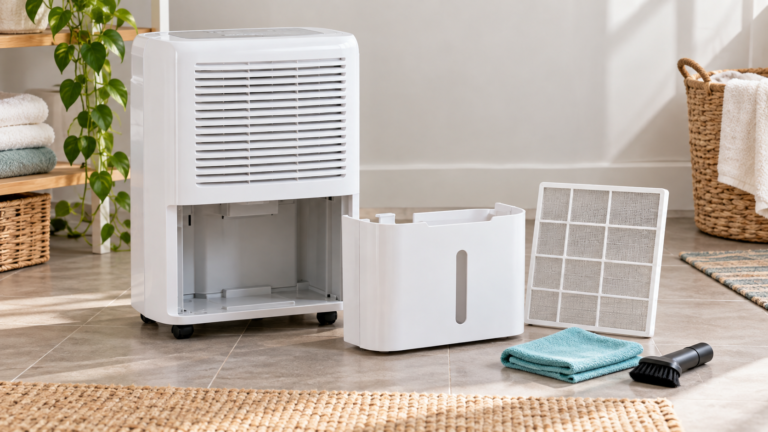
The prevention method depends on the moisture pattern. EPA recommends keeping indoor relative humidity below 60%, ideally 30% to 50%, and acting quickly on condensation, leaks, and spills. Use a dehumidifier as humidity control, not as a substitute for repairing a leak.
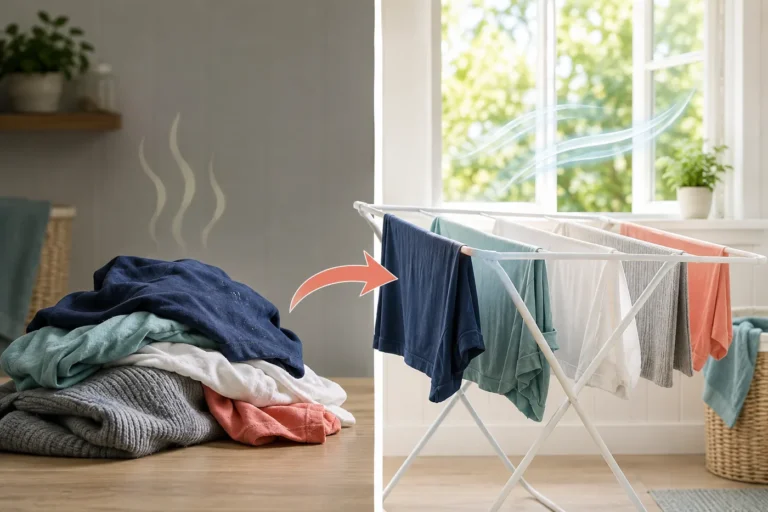
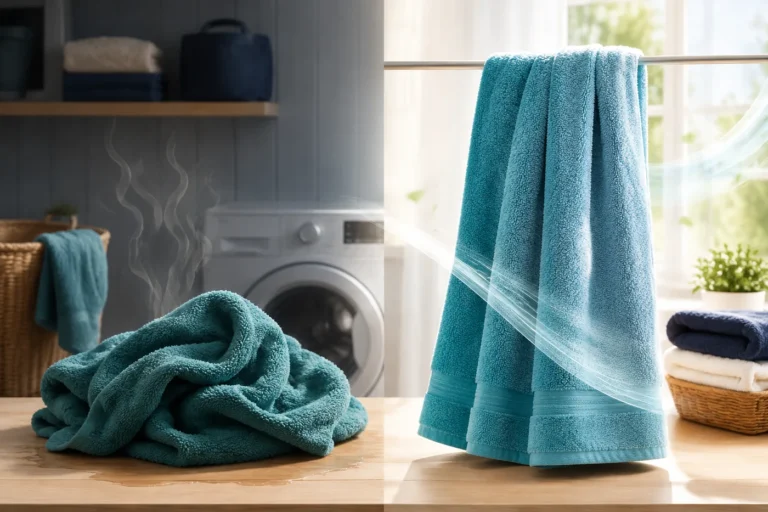
For a bathroom, make sure the exhaust fan actually removes moist air and do not leave wet textiles piled up. For window-related odor, dry condensation promptly and investigate why that surface is cold or wet. For a basement, protect stored fabrics and cardboard from damp floors and walls while the water-entry cause is being corrected.
Related guides
- What Should Indoor Humidity Be? Targets, Warning Signs, and What to Change
- Mold Around Windows? Find the Moisture Source and Clean It Safely
- How to Prevent Mold in a Bathroom: Find the Moisture Path First
- Home Moisture and Mold Decision Chart: Find the Source First