How to Prevent Mold in a Bathroom: Find the Moisture Path First
Quick answer: Bathroom mold keeps returning when moisture stays in the room or gets behind a surface. After a shower, use the fan or an open window where practical, let shower surfaces and fabrics dry, and check for leaks. If growth always returns in one spot, paint peels, caulk is cracked, or material feels soft, treat it as a moisture-repair problem rather than a cleaning-routine problem.
Updated: September 21, 2026. Source links were checked against current EPA and CDC guidance.
Start with the moisture pattern, not a stronger cleaner
Mold prevention is mostly moisture control. The U.S. EPA says that if you clean mold but do not fix the water problem, it is likely to return. A bathroom can stay damp after normal bathing, but a wet patch under a sink, loose caulk at a tub edge, or a soft ceiling needs a different response.
| What you notice | Likely moisture pattern | First sensible move |
|---|---|---|
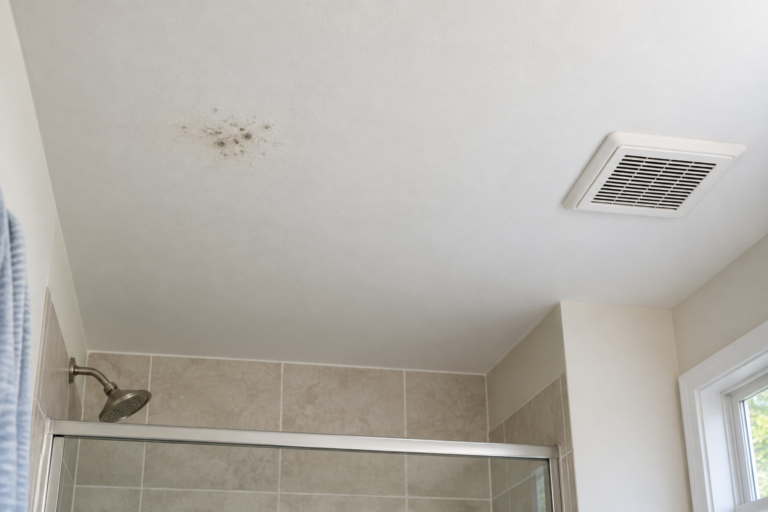
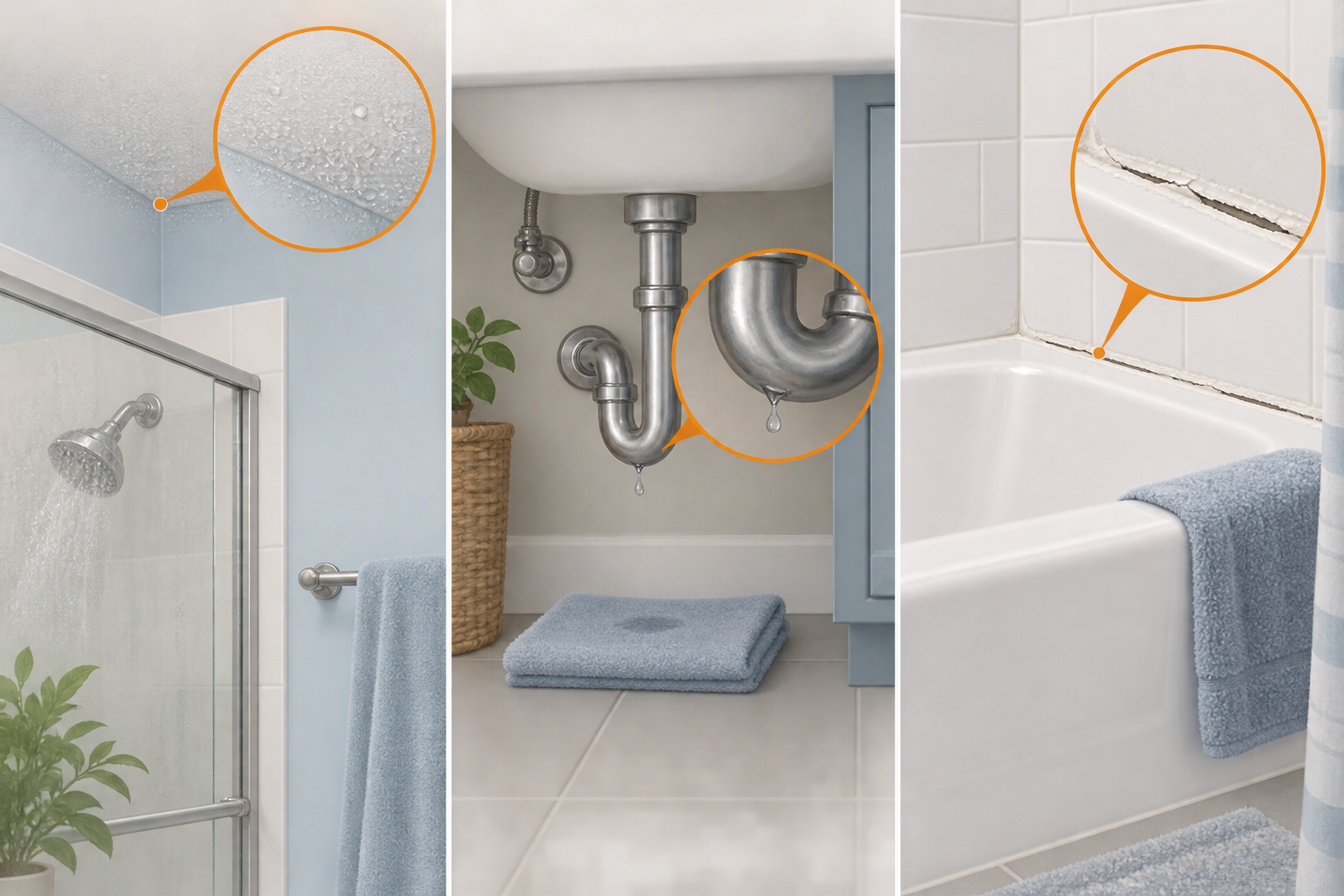
| Damp ceiling corners, fogged mirror or windows, or recurring surface spots after showers | Humidity and slow drying | Run the bathroom fan or open a window where practical. Dry wet surfaces and check whether the room returns to normal afterward. |
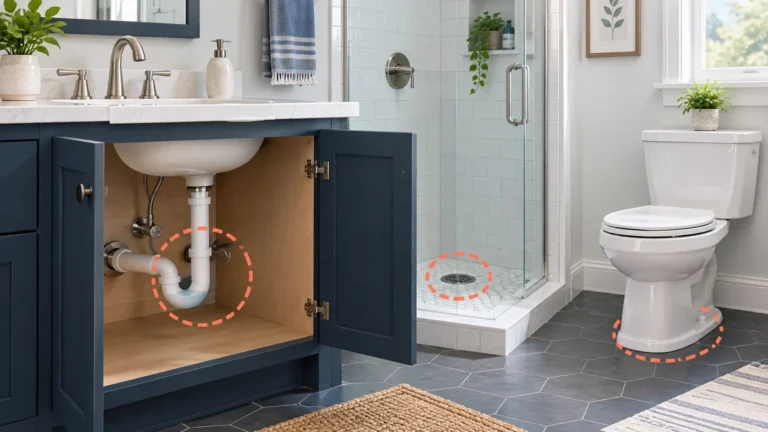
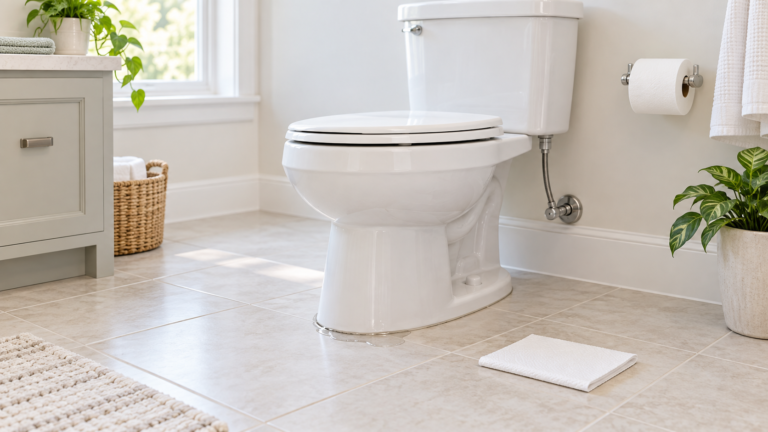
| Water under a sink, around a toilet base, or at a supply line | A plumbing leak or connection problem | Avoid repeatedly mopping without investigating. Limit use if necessary, document the location, and arrange repair or report it to the property manager. |
| Cracked caulk, loose tile, bubbling paint, or a soft wall or ceiling | Water may be reaching material behind the finish | Do not cover it with paint, caulk, or a stronger cleaner. Find and correct the water path before repairing the surface. |
| Musty odor or recurring growth with no visible water source | Possible hidden dampness or repeated condensation | Check for leaks, staining, cold-surface condensation, and ventilation problems. Get qualified help if the source remains unclear. |
Build a routine that lets the bathroom dry
Use source ventilation during moisture-producing activities
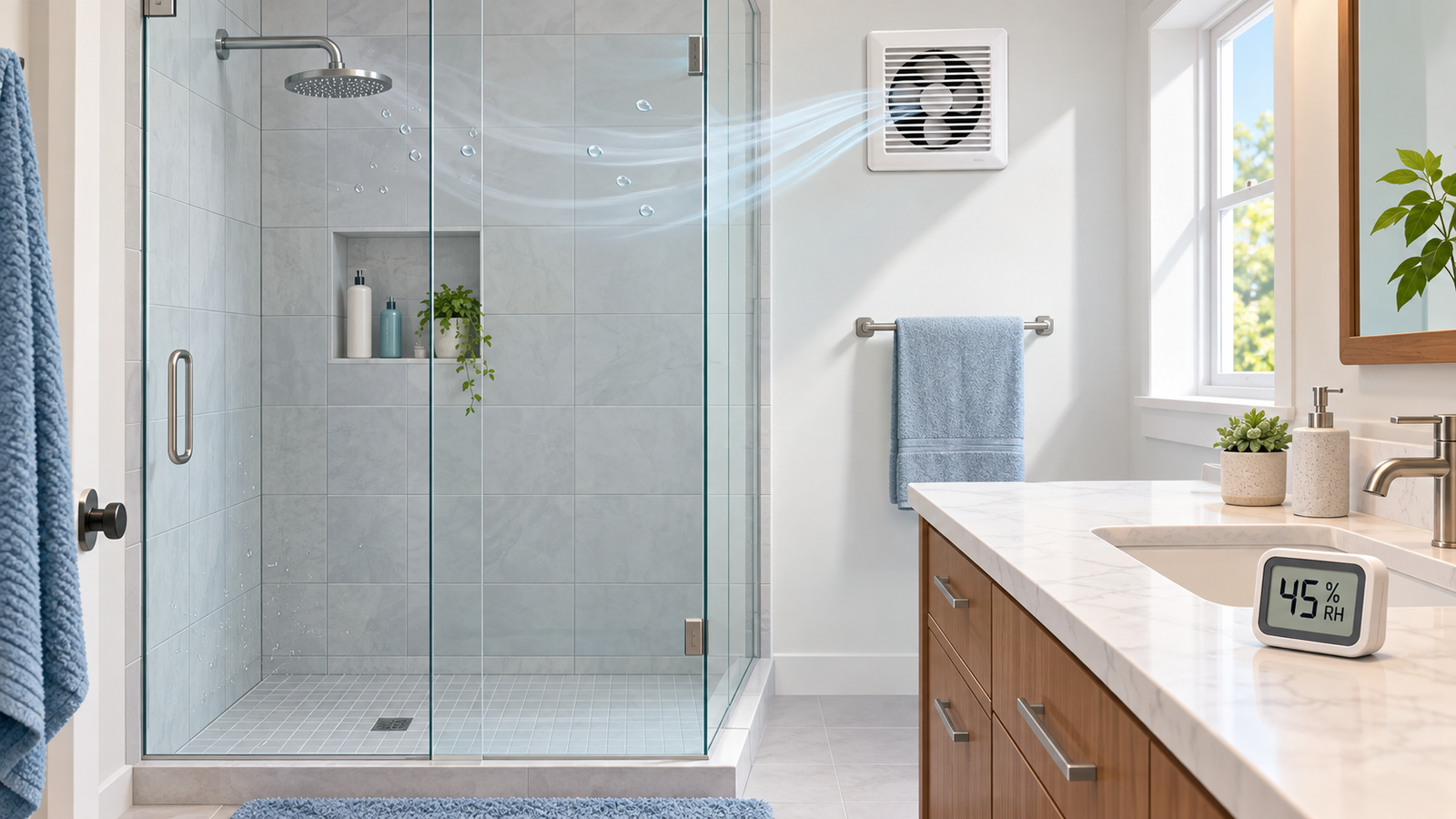
EPA recommends running the bathroom fan or opening a window when showering. A fan helps only if it moves bathroom air outside rather than into an attic or another enclosed space. Do not rely on a noisy grille alone as proof that it is venting properly.
After bathing, let the room continue to dry. The useful test is simple: are the mirror, walls, ceiling corners, and shower surfaces still wet or heavily fogged long after the water has stopped? If they are, look for a fan problem, a closed room with little air movement, or humidity affecting more than the bathroom.
Remove water from the surfaces that stay wet
Open the shower door or curtain so air can circulate. Use a squeegee or clean towel on glass, tile, and the tub surround when those surfaces stay wet. Hang bathmats and towels so both sides can dry instead of leaving them bunched on the floor.
This is not a promise that a squeegee can solve every mold problem. It simply reduces the amount of water left on surfaces after normal use. If growth returns in the same location despite drying, look for a leak, failed caulk, or another water path.
Keep an eye on the room humidity, but do not chase one number
The EPA advises keeping indoor relative humidity below 60%, ideally between 30% and 50%. A small hygrometer can help show whether the bathroom or nearby rooms are repeatedly damp. A brief rise while someone showers is less important than a high reading or wet surfaces that persist after the room should have dried.
For a practical checking method and the limits of a single reading, see What Should Indoor Humidity Be? A portable dehumidifier may help reduce moisture in the air, but it cannot repair a leak or water entering behind a wall.
Check the places where hidden moisture starts
Do this visual check every few weeks and whenever you notice an odor, staining, or a patch that returns:
- Look below sink shutoff valves, supply tubes, the trap, and the cabinet floor for water, staining, or swollen material.
- Check around the toilet, shower door or curtain, tub edge, and shower controls for pooling water or broken caulk.
- Look at ceiling corners, exterior-facing walls, and painted surfaces for blistering, peeling, or new stains.
- Check that towels, mats, and a shower curtain or liner can dry fully between uses.
- Notice timing. A mark after a shower suggests humidity or a shower leak; a mark after rain or use of an upstairs bathroom needs a different repair investigation.
For renters, EPA advises reporting plumbing leaks and persistent moisture problems promptly to the owner, manager, or superintendent. Take clear photos of the location and note when it becomes wet; that is more useful than repeatedly treating the visible spot.
Clean to maintain a dry bathroom, not to hide a water problem
Routine cleaning removes soap residue and dirt that can hold moisture on shower surfaces. For a small visible patch on a firm, cleanable surface, EPA advises scrubbing with detergent and water and drying the surface completely. Do not mix cleaners. CDC specifically warns never to mix bleach with ammonia or other cleaners.
Do not paint or caulk over visible mold or a damp surface. EPA notes that paint applied over moldy material is likely to peel. Clean and dry the surface, then correct the moisture source before cosmetic repair.
If the question is how to deal with visible growth on a ceiling, use How to Remove Mold From a Bathroom Ceiling Safely. This page is about preventing the moisture pattern that causes a return.
When prevention becomes a repair or professional-cleanup question
Stop and get appropriate help when the moldy area is larger than about 10 square feet; drywall, ceiling material, flooring, or cabinetry is soft, swollen, sagging, or repeatedly wet; the water involved sewage, floodwater, or another contaminated source; you suspect moisture behind tile, a wall, or a ceiling; growth returns after the moisture source was addressed; or someone in the home has health circumstances that make mold exposure a concern.
EPA uses about 10 square feet as a general homeowner-cleanup boundary and says sewage-contaminated water requires an experienced professional. For a broader route through condensation, leaks, rain entry, and hidden moisture, use the Home Moisture and Mold Decision Chart.
A simple weekly prevention checklist
- Run the bathroom fan or open a window while showering when practical.
- Leave the shower area open enough to dry; hang towels and mats to dry fully.
- Wipe standing water from shower walls, glass, and the tub surround when it tends to remain after use.
- Look for drips, pooling water, cracked caulk, loose tile, paint changes, and new stains.
- Address leaks and wet materials promptly instead of repeatedly cleaning over the same mark.
- If the whole home is humid, compare the bathroom with a nearby room and identify the moisture source before buying equipment.
Frequently asked questions
Does opening the bathroom door prevent mold?
Opening a door can improve air movement, but it is not a substitute for a bathroom exhaust fan that vents outdoors or for fixing a leak. Use it as one drying measure where practical; if surfaces remain wet or mold returns, investigate the moisture source.
Should I use a dehumidifier in a bathroom?
A dehumidifier can reduce moisture in the air when humidity is the issue, but it cannot repair leaking plumbing, failed caulk, rain entry, or hidden water damage. Address visible water first. If you use a portable unit, maintain it according to its manual; this dehumidifier cleaning guide covers the filter, bucket, grilles, and drain hose.
Why does mold return after I clean it?
The moisture problem may still be present. EPA explains that cleaning without fixing the water source means the problem is likely to come back. Look for persistent humidity, slow drying, leaks, damaged finishes, or hidden water rather than switching to a stronger chemical.