How to Remove Paint From Clothes Without Setting the Stain
Quick answer
For fresh water-based paint, lift off the excess, turn the garment inside out, and flush the stain from the back with warm water. Work in liquid laundry detergent, rinse, and repeat before washing according to the care label. Keep the garment out of the dryer until the stain is gone. Oil-based paint requires the specific thinner named on the paint label and may not be safe for the fabric or washing machine, so valuable, delicate, or dry-clean-only clothing should go to a professional cleaner.
Paint removal works best when you make three decisions before reaching for a cleaner: Is the paint water-based or oil-based? Is it wet or dry? Is the garment washable? Those answers matter more than the paint color or the size of the stain.
Safety first: check before treating
- Read both the paint container and the garment care label. Use these methods only on washable fabric unless the label says otherwise.
- Do not combine stain removers, alcohol, acetone, ammonia, bleach, vinegar, paint thinner, or other solvents.
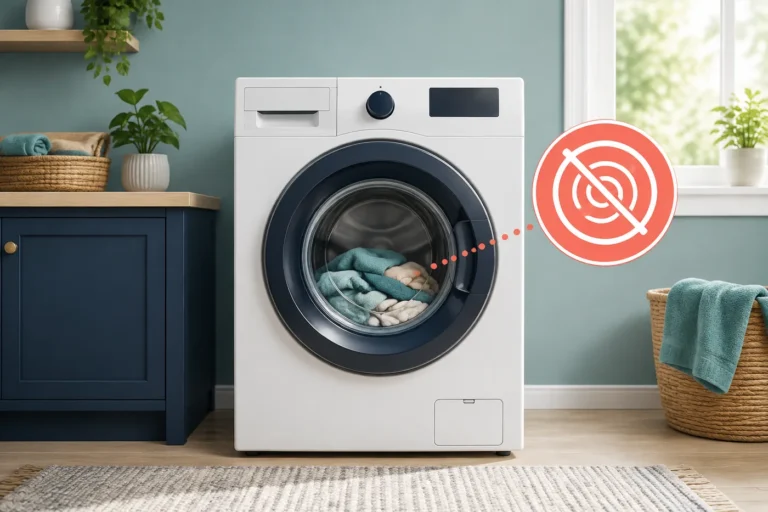
- Solvent-treated clothing can create a fire hazard. Keep it away from flames, heat, washers, and dryers; follow the solvent label and appliance guidance.
- Acetone can damage acetate and triacetate and may remove fabric dye. Test every optional treatment on a hidden seam first.
- Take silk, wool, rayon, structured garments, vintage items, and anything marked “dry clean only” to a professional cleaner.
Choose the method by paint type
| What the label says | Best first treatment | Important limit |
|---|---|---|
| Latex, acrylic, emulsion, tempera, or water cleanup | Flush from the back with warm water, then use liquid laundry detergent | Act while wet and avoid heat until the stain is gone |
| Oil-based, alkyd, enamel, gloss, mineral-spirit cleanup, or paint-thinner cleanup | Use only the thinner named on the paint label after a hidden-seam test | Solvents may damage fabric and make machine washing or drying unsafe |
| Fabric paint | Check the craft-paint label; washable formulas may respond to detergent while permanent formulas may not | Heat-set fabric paint may be designed to stay permanently |
| Spray paint or an unknown formula | Check the can for resin type and cleanup directions | Do not guess with strong solvents; use a professional cleaner for valuable clothing |
| No container or label available | Start with the least aggressive washable-fabric method: scrape gently, rinse, and use detergent | Stop if color transfers, texture changes, or the stain does not soften |
What you need for water-based paint
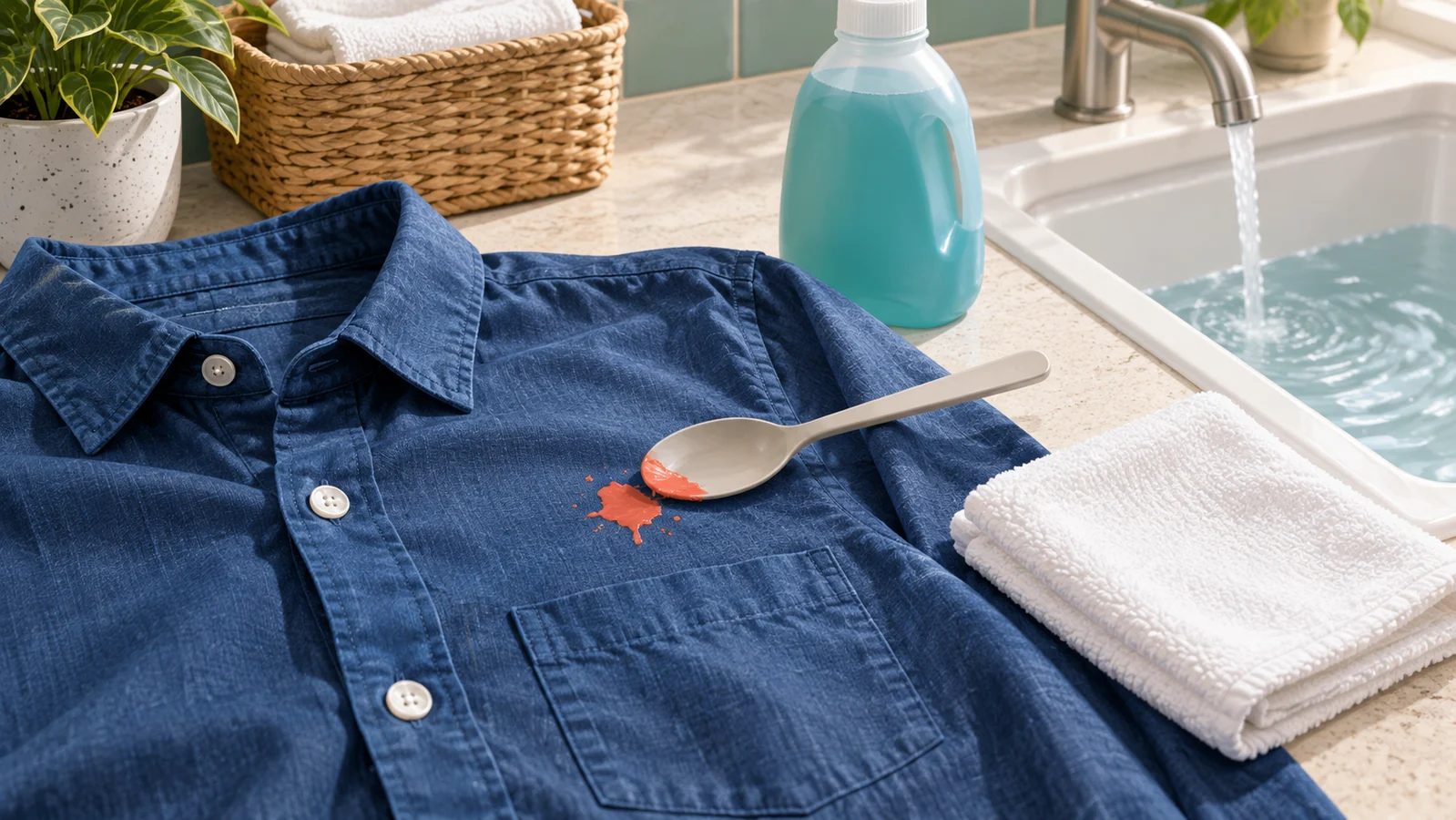
- A spoon, dull plastic edge, or old card
- Clean white cloths or colorfast towels
- Warm running water
- Liquid laundry detergent
- A soft toothbrush or soft laundry brush
- An optional color-safe prewash stain remover
How to remove fresh water-based paint from clothes
1. Lift off wet paint without spreading it
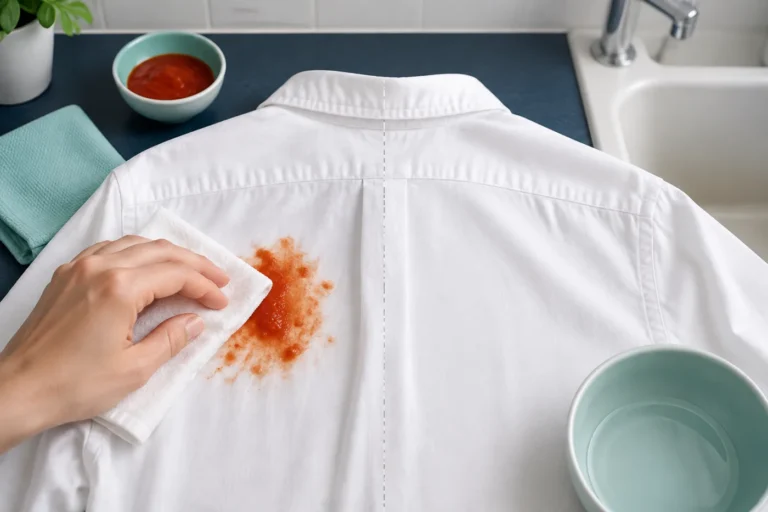
Remove the garment if you can do so without transferring paint to other surfaces. Use a spoon or dull plastic edge to lift paint from the fabric. Work from the outer edge toward the center and wipe the tool after each pass. Do not rub with a dry towel; rubbing can push pigment deeper and enlarge the stain.
2. Flush from the back
Turn the garment inside out and hold the reverse side of the stain under warm running water. Let the water push paint back out through the route it entered. Avoid rinsing from the front, which can drive paint farther through the fibers.
3. Pretreat with liquid detergent
Apply a small amount of liquid laundry detergent to both sides of the damp stain. Gently work it in with your fingers or a soft brush, following the fabric weave rather than scrubbing across it. Wait for the product’s labeled pretreatment time, then rinse from the back. Repeat while paint continues to transfer to the cloth or rinse water.
4. Wash according to the care label
When no more loose paint comes out, wash the garment on the warmest setting allowed by its care label, using the recommended detergent amount. Wash it separately if a large amount of colored paint remains or could transfer to other clothing.
5. Inspect before drying
Check the fabric in bright light while it is still wet. If pigment remains, repeat the detergent treatment or use a care-label-safe prewash remover. Air-dry the garment while evaluating the stain. Dryer heat can make remaining paint harder to remove.
How to remove dried latex or acrylic paint
Dried water-based paint is harder to remove because its film has already formed around the fibers. Place the garment on a firm surface and flex the fabric gently to loosen the paint. Lift flakes with a spoon or dull plastic edge, working slowly so you do not cut threads or create a light patch.
Flush the stain from the back with warm water, then work in liquid detergent and rinse. If the paint label and fabric allow it, rubbing alcohol may help soften a small remaining latex or acrylic film. Test a hidden seam first, use a small amount in a ventilated area, blot rather than soak, and rinse thoroughly. Stop immediately if color transfers or the fabric texture changes.
Do not use acetone on acetate or triacetate. Because acetone and alcohol may affect dyes and finishes, a professional cleaner is the safer choice for valuable garments or large dried stains.
What to do with oil-based paint
Oil-based paint needs a different approach. Check the paint container for its named cleanup solvent. If the container is missing, the garment is delicate, or the stain covers a large area, do not experiment. Bag the garment separately without sealing a wet solvent inside it and take the paint information to a professional cleaner.
For a small stain on sturdy washable fabric, first test the named thinner on a hidden seam. Work outdoors or in strong ventilation, wear the protection required by the product label, and keep the area away from heat and flame. Place the stain face down on clean white cloths and blot from the back so dissolved paint transfers into the cloth beneath. Replace the cloth as it becomes stained.
Rinse and hand-wash only as the paint-thinner and garment labels direct. Appliance manufacturers warn that items exposed to flammable liquids should not be placed in a washer or dryer. If you cannot confirm that the solvent has been fully removed and the item is safe for machine laundering, use a professional cleaner. Never use dryer heat or place a solvent-smelling garment in a laundry basket near an ignition source.
When to stop treating the stain
| What you notice | What it means | Best next move |
|---|---|---|
| Fabric dye appears on your white cloth | The treatment is lifting garment color | Rinse if the product label directs and stop |
| The fibers feel sticky, weak, rough, or distorted | The cleaner may be affecting the fiber or finish | Stop and consult a professional cleaner |
| The garment is marked dry clean only | Water or home treatment may alter its structure or finish | Blot excess paint and take it to a cleaner promptly |
| A large area is soaked with oil paint or solvent | Home laundering may be unsafe and the stain may be permanent | Follow the product disposal advice and ask a professional whether the garment is salvageable |
| No more paint transfers after repeated gentle treatment | The remaining film may be bonded to the fibers | Stop before abrasion creates a hole or pale patch |
Common paint-removal mistakes
- Putting the garment in the dryer before checking the stain
- Scrubbing wet paint and spreading it beyond the original spot
- Using a sharp knife that cuts or pulls the fibers
- Choosing a solvent without checking the paint label and fabric content
- Using acetone on acetate or triacetate
- Mixing cleaners or placing a solvent-treated garment in a washer or dryer
Frequently asked questions
Does vinegar remove paint from clothes?
Vinegar is not the best universal first treatment. Water-based paint usually responds better to prompt rinsing and liquid detergent, while oil-based paint needs the thinner specified by its manufacturer. Adding vinegar creates another compatibility question and must never be mixed with bleach or other cleaners.
Can rubbing alcohol remove dried acrylic paint?
It may soften some acrylic or latex residue, but it can also fade dye or affect a fabric finish. Test a hidden seam, use a small amount, rinse thoroughly, and stop if color or texture changes.
Will paint come out after the clothes have been dried?
Sometimes, but success is less likely after the paint and fabric have been heated. Gently remove surface flakes and repeat the treatment for the identified paint type. Do not keep scraping once the fibers begin to wear.
Can I use paint thinner and then wash the clothing?
Follow the thinner label, paint label, garment label, and washer instructions. Appliance manufacturers warn against machine washing or drying garments exposed to flammable liquids. When safety is uncertain or odor remains, use a professional cleaner rather than the appliance.
If a wash product leaves a mark after treatment, use our guide to removing detergent stains from clothes. For another stain that must be handled before heat, see how to remove tomato sauce stains. Browse more fabric-care help in our Laundry guides.