Toilet Gurgling? Diagnose the Drain, Vent, or Sewer Problem Safely
Quick answer
A toilet that gurgles or bubbles usually means air and wastewater are not moving normally through the drain and vent system. The sound can come from a local restriction near the toilet, a shared bathroom drain, a venting problem, a main sewer restriction, or, on a septic property, a system problem. The sound alone cannot identify the cause.
The useful clue is what triggered the sound and what the bowl did next. If the bowl rises, a tub or shower backs up, several fixtures drain slowly, wastewater appears, or a sewage smell comes with drainage changes, stop using connected water fixtures and arrange professional or utility help.
Stop testing if you see a backup warning
- Do not keep flushing a bowl that rises or drains slowly.
- Stop using nearby sinks, showers, tubs, the dishwasher, and the washing machine if wastewater comes up in a low fixture or several drains become slow.
- Keep children and pets away from wastewater. If wastewater reaches outlets, cords, appliances, or other electrical equipment, do not enter or touch the affected area; get qualified help.
- Do not pour corrosive drain cleaner into a gurgling toilet. If someone already added one, do not plunge or auger through it because splashing can expose skin and eyes to corrosive residue. Tell the plumber which product was used.
Why a toilet makes a gurgling sound
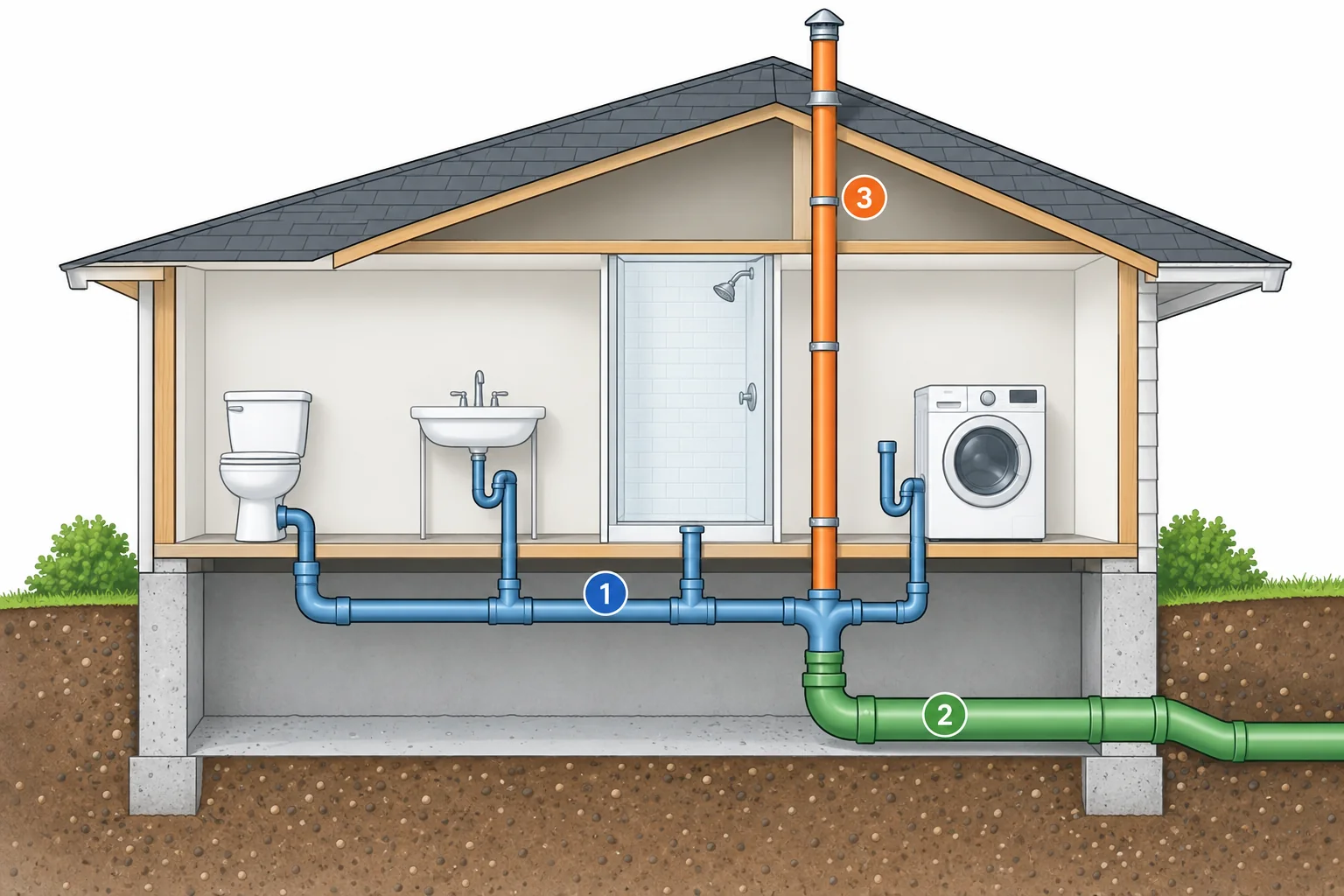
Every toilet has a water-filled trap that helps block sewer gases. Plumbing vents help protect those traps from pressure changes as water drains. When a drain is restricted or air cannot move normally, air may be pushed or pulled through the bowl water, creating a gurgle or bubbles. That is why the same sound can have more than one cause. IAPMO’s venting overview explains that vents protect traps from siphonage and backpressure.
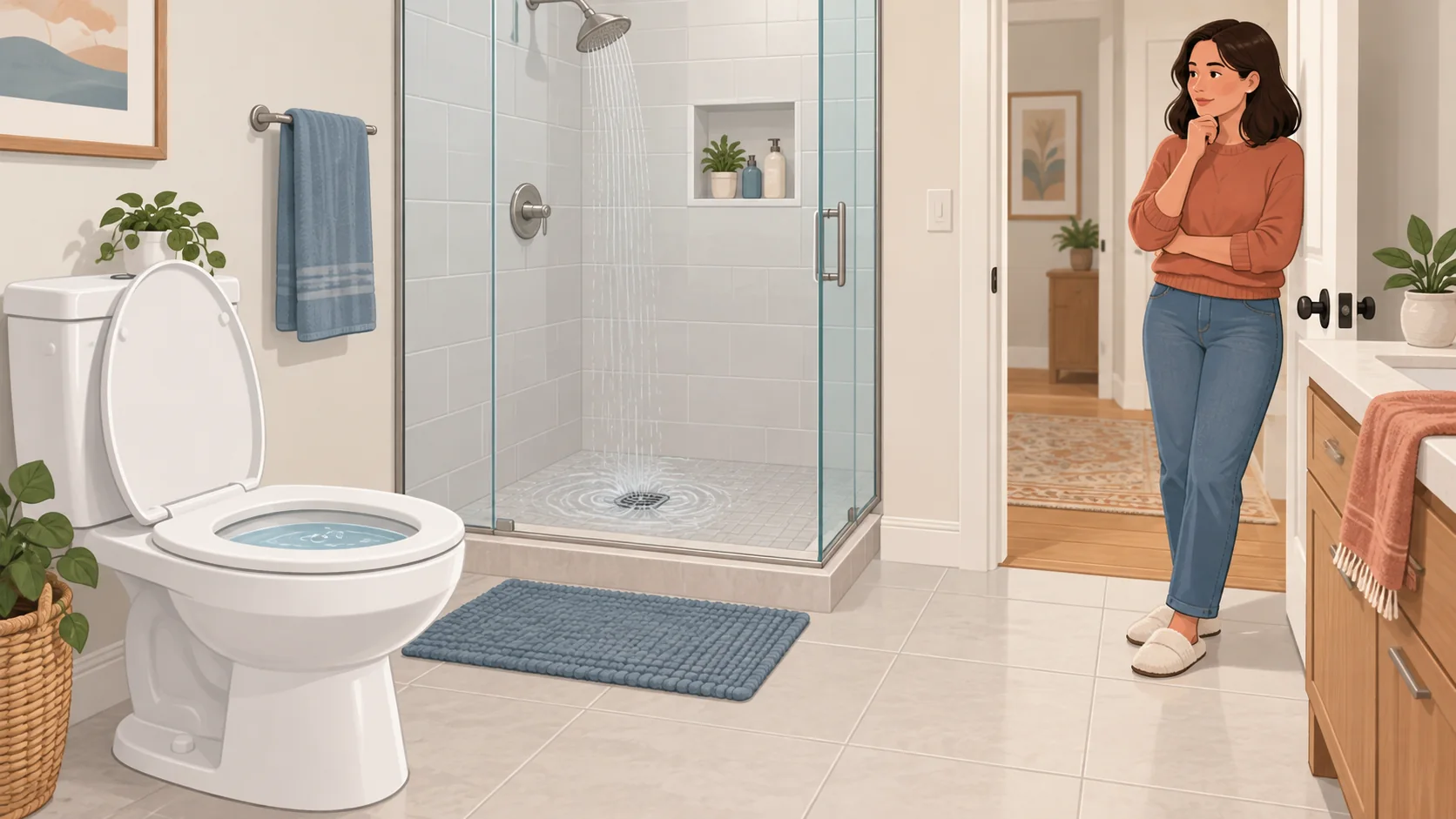
Start by observing normal use once, not by repeatedly running water to recreate the noise. Note whether the sound happens after this toilet flushes, when a nearby fixture drains, or when several rooms use water. Then watch whether the bowl stays level, falls, drains slowly, or rises.
Use the trigger and bowl movement to narrow the next step
| What you notice | What it may point to | Safest first move |
|---|---|---|
| The toilet gurgles after its own flush and the bowl drains slowly | A local toilet trapway or nearby drain restriction is more likely | Do not flush again. Use the toilet clogged guide only if the bowl is stable and no drain cleaner was used; call a plumber if the bowl rises or clearing fails. |
| A nearby sink, shower, or tub triggers the sound | A shared bathroom branch or vent path may be restricted | Note the trigger once. Call a plumber if the shower backs up, several fixtures slow down, or the cause appears to be behind a wall or roofline. |
| A washing machine or several fixtures trigger bubbling | A downstream building drain or main sewer restriction is more concerning | Stop high-volume water use and contact a drain or sewer professional. Treat wastewater or a backup in the lowest tub or shower as urgent. |
| The bowl level drops after another fixture drains | Pressure may be disturbing the trap seal and the venting needs evaluation | Avoid repeat testing and arrange a plumbing evaluation, especially if a sewage odor appears or the bowl repeatedly loses its normal water seal. |
| Neighbors report similar symptoms at the same time | A public sewer issue is possible | Contact the local sewer utility. If a backup enters the home, stop water use and keep people and pets away from wastewater. |
| The property has septic plus slow drains, odors, or wet ground | The onsite wastewater system may be malfunctioning | Reduce water use and contact a septic service provider or local authority. Treat sewage backing up indoors as urgent. |
These are patterns, not remote diagnoses. A plumber may need to inspect the drain path, venting, or sewer connection to identify the restriction.
If it happens only when this toilet flushes
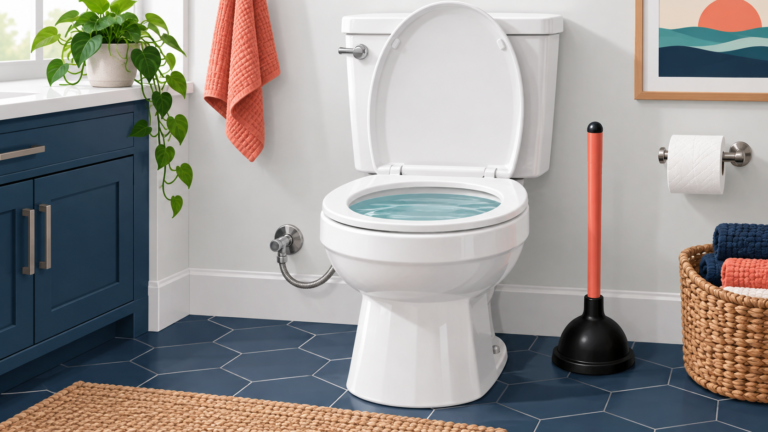
When one toilet gurgles after its own flush and its bowl also drains slowly, a restriction in the toilet trapway or the nearby drain is a reasonable first concern. Do not keep flushing to see whether it improves; a partial restriction can turn into an overflow.
If the bowl is stable and you have not used a chemical cleaner, follow the safe mechanical steps in our toilet clogged guide. That guide covers the correct flange-plunger and toilet-auger approach. Kohler notes that a toilet auger is made for a toilet trapway; if no obstruction is found and trouble continues, a venting issue is one possibility that needs further evaluation. Kohler Assist
Do not use a bare metal snake, a coat hanger, compressed air, or boiling water. Those choices can damage porcelain, push an object deeper, create a splash hazard, or fail to address the actual restriction.
If the toilet does not flush normally because the handle, chain, flapper, tank water, or fill valve is the problem, use Toilet Not Flushing? Safe Checks for the Handle, Tank, and Bowl instead. A tank or flush-mechanism problem is different from drain bubbling.
If the shower, sink, or bathtub makes the toilet gurgle
A toilet that reacts while a nearby sink, tub, or shower drains gives you a more useful location clue than the sound alone. The fixtures may share part of a bathroom branch drain, and the air path may also be affected. It does not prove that the roof vent is blocked.
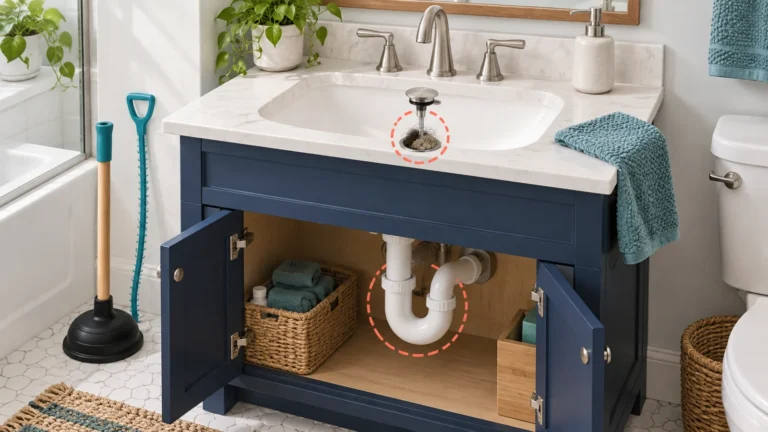
You can safely note which fixture causes the reaction and whether it is limited to one bathroom. If the sink itself is plainly slow because of visible hair or soap buildup at an accessible stopper, you may use the separate bathroom sink unclogging guide for that fixture. Do not assume that clearing the sink will fix the toilet.
Call for help rather than investigating inside walls or on the roof when the shower backs up, several bathroom fixtures slow down, the toilet water rises, or the problem keeps returning. Roof access, powered drain machines, and vent clearing are not ordinary homeowner tasks for this symptom.
If the washing machine or several fixtures trigger bubbling
A larger volume of draining water can reveal a restriction farther downstream. If a washing machine discharge, dishwasher, multiple bathrooms, or several floors make the toilet bubble, treat that as more concerning than an isolated toilet symptom.
Multiple slow drains, gurgling, foul odor, and backups in other fixtures are commonly treated by utilities as warning signs of a sewer-line blockage. Their practical advice is to stop adding water when backup signs appear. Indian River County Utilities’ sewer guidance is a useful example; utility responsibility and cleanout access rules vary by location, so do not open a cleanout cap yourself.
Avoid running the washer, dishwasher, shower, or several faucets while waiting for assessment. Do not try to solve a whole-house pattern with chemical cleaner, a garden hose in a vent, or a rented powered sewer machine.
If your home uses a septic system
For a home with onsite septic, toilet gurgling becomes more urgent when it comes with very slow drains, plumbing backup, wet ground, sewage odor, or recent service concerns. The U.S. Environmental Protection Agency lists gurgling, slow drains, backups, wet areas, and odors among potential malfunction signs.
Reduce water use and contact a septic professional or local authority. Do not open the tank, add unverified treatments, or enter a septic area. A gurgle by itself does not prove septic failure, but the accompanying symptoms change the safest response.
Safe actions you can take before calling for help
- Check for an immediate backup warning. Look for rising bowl water, wastewater in a low tub or shower, multiple slow drains, sewage odor with drainage changes, or a wet area near a septic system. Stop using connected water if any are present.
- Identify one trigger during ordinary use. Note whether the sound follows the toilet’s own flush, a nearby bathroom fixture, or a high-volume appliance. Do not run repeated tests.
- Watch the bowl level. A rising or slow-draining bowl needs the local-clog path. A falling bowl after another fixture drains is a reason to have venting evaluated.
- Use only the matching local guide. If the evidence points clearly to a local toilet restriction, use the toilet clogged guide. If it points to a weak or incomplete flush, use the toilet not flushing guide.
- Record useful details for the professional or utility. Tell them which fixture triggered the sound, whether water rose or fell, which rooms are affected, whether the home uses septic, and whether any drain chemical was used.
What not to do
- Do not keep flushing a rising bowl.
- Do not climb onto the roof to inspect or clear a vent.
- Do not remove a toilet, open a sewer cleanout, or use a powered sewer auger as a first response.
- Do not add boiling water, corrosive drain cleaner, bleach, acid, vinegar mixtures, or compressed-air tools.
- Do not plunge after a corrosive cleaner has been used. Poison Control warns that many drain cleaners are corrosive and can cause serious burns; splash exposure is a meaningful risk.
Who to call, and when
- Call a plumber when one toilet remains slow or repeatedly gurgles after safe local clearing. The restriction may be in the toilet, bathroom branch, or venting path.
- Call a drain or sewer professional when several fixtures are slow, gurgle, or back up. The restriction may be farther down the building drain or main sewer line.
- Call the local sewer utility when nearby homes show the same symptoms at the same time. A public sewer issue may be involved.
- Call a septic service provider or local authority when a septic property has slow drains, odors, wet ground, or a backup.
- Request urgent plumbing or sewer service when wastewater is entering the home. Stop connected water use because more water can worsen the contamination and damage.
Prevent the problem from getting worse
Flush only human waste and toilet paper. Keep wipes, paper towels, hygiene products, grease, and solid debris out of toilets and drains. Correct repeated slow drainage instead of repeatedly plunging it. If odor is the main symptom rather than bubbling, see Bathroom Smells Like Sewage? Find the Source Safely.
For septic homes, follow the maintenance plan for the system and reduce unnecessary water load when drainage behavior changes. Prevention cannot rule out every pipe or utility problem, but it can reduce avoidable restrictions.
Useful questions
Can a toilet gurgle without being clogged?
Yes. A local restriction is one possibility, but a shared branch, venting problem, main sewer restriction, or septic issue can create a similar sound. The trigger and bowl movement provide better clues than the sound by itself.
Why does the toilet gurgle when the shower drains?
The shower and toilet may share part of the bathroom drain or air path. Note whether the bowl rises, falls, or stays level. A backup, multiple slow fixtures, or recurring pattern needs professional evaluation.
Why does the toilet bubble when the washing machine drains?
The washer releases a larger volume of water, which can reveal a downstream restriction or airflow problem. Stop high-volume water use if several fixtures react or any lower drain backs up.
Can I keep using water when the toilet gurgles?
If the bowl rises, wastewater appears, several drains slow down, or an odor accompanies backup symptoms, stop using connected water fixtures. If there are no warning signs, limit tests to ordinary use once and arrange evaluation if the pattern continues.
Does toilet gurgling always mean the main sewer is blocked?
No. A main sewer restriction is more concerning when several fixtures are affected or a large-volume appliance triggers the problem. An isolated symptom can be closer to the toilet or bathroom branch.